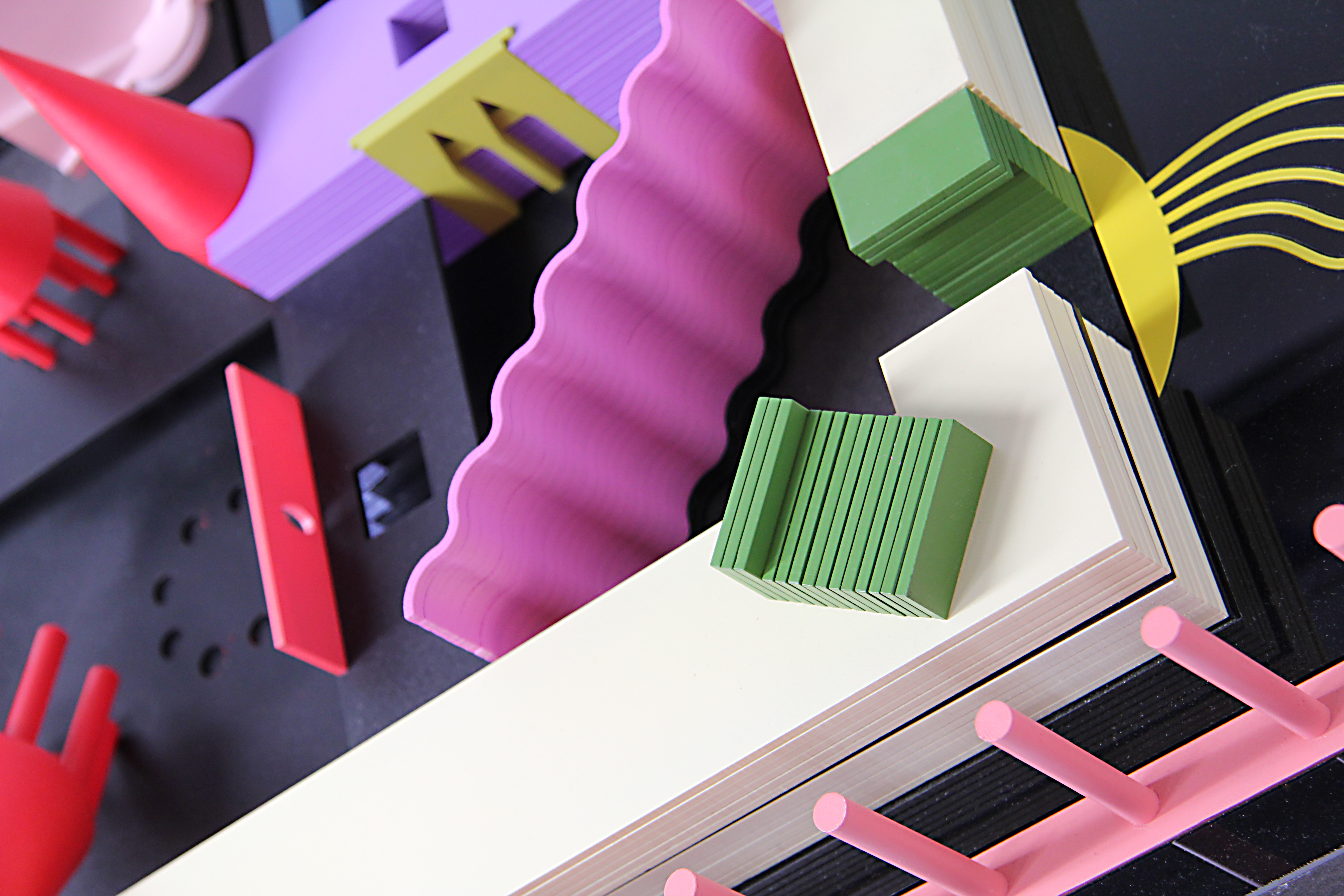
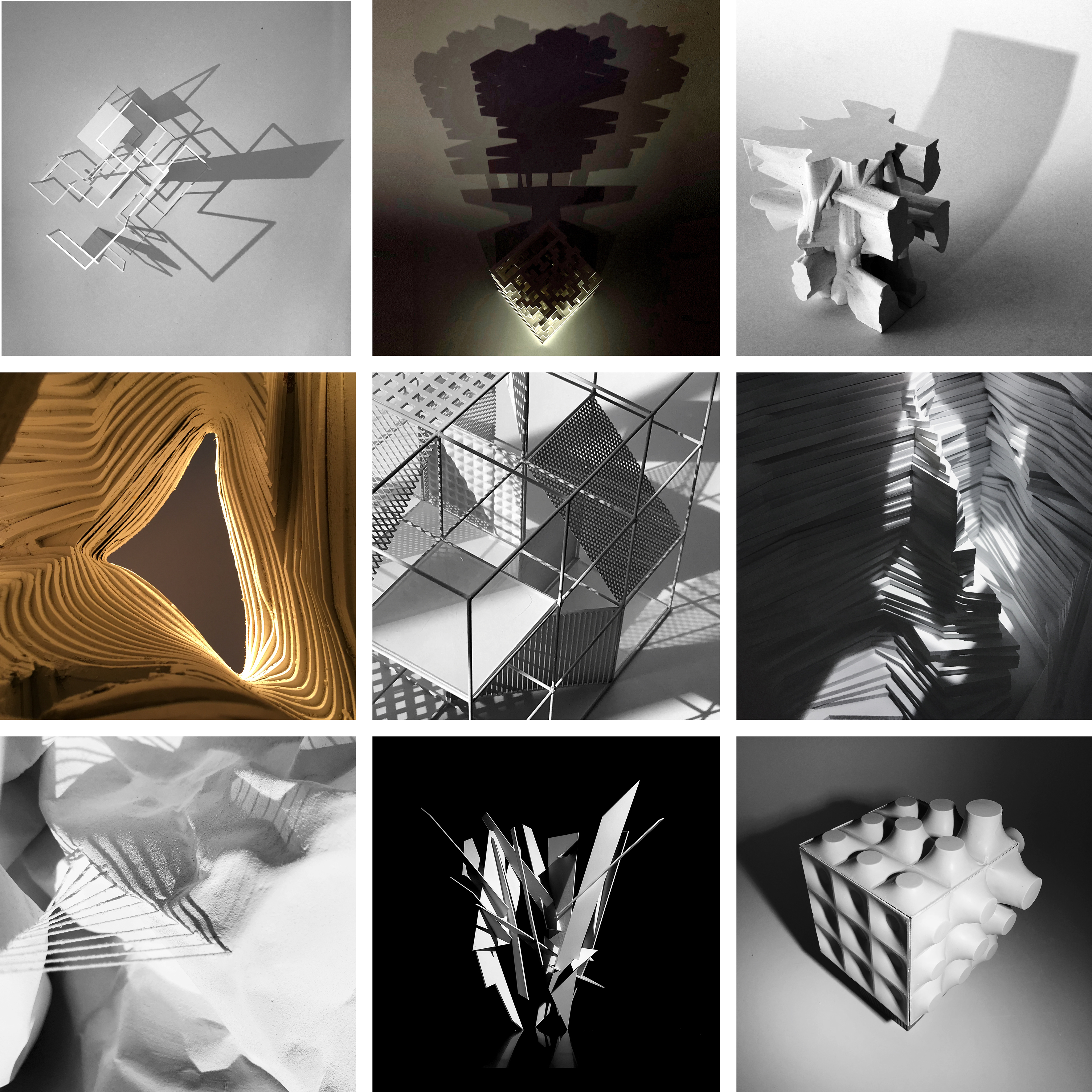
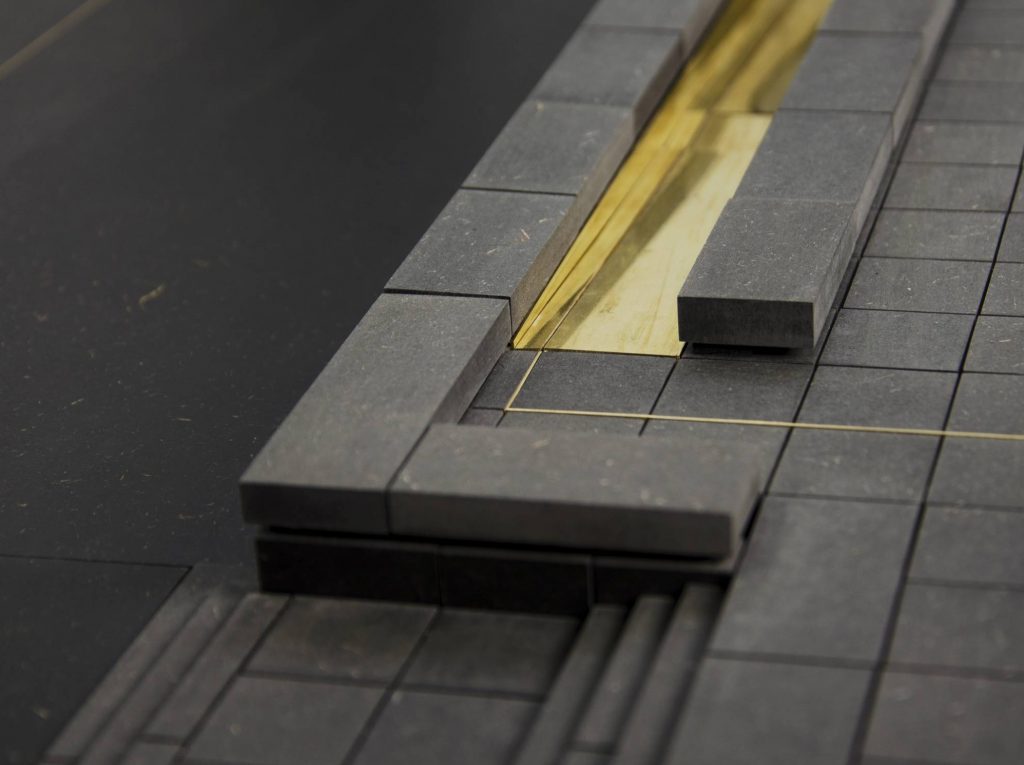
We offer students of the Technical University of Berlin and other universities in the Bachelor and Master elective courses with 3 and 6 credit points on design model making.
Our seminars usually take place in the form of compact seminars at the beginning and end of the semester. The topics can be free or linked to a project.
Compact and weekend seminars on 3-6 days for analog and digital model making with up to a maximum of 50 participants serve to train a basic knowledge and to improve a general understanding of materials and processing.
In an informal atmosphere, the participants of our seminars deal with the design of models under the aspects of body, surface, line, form, material, color, structure, composition and space.
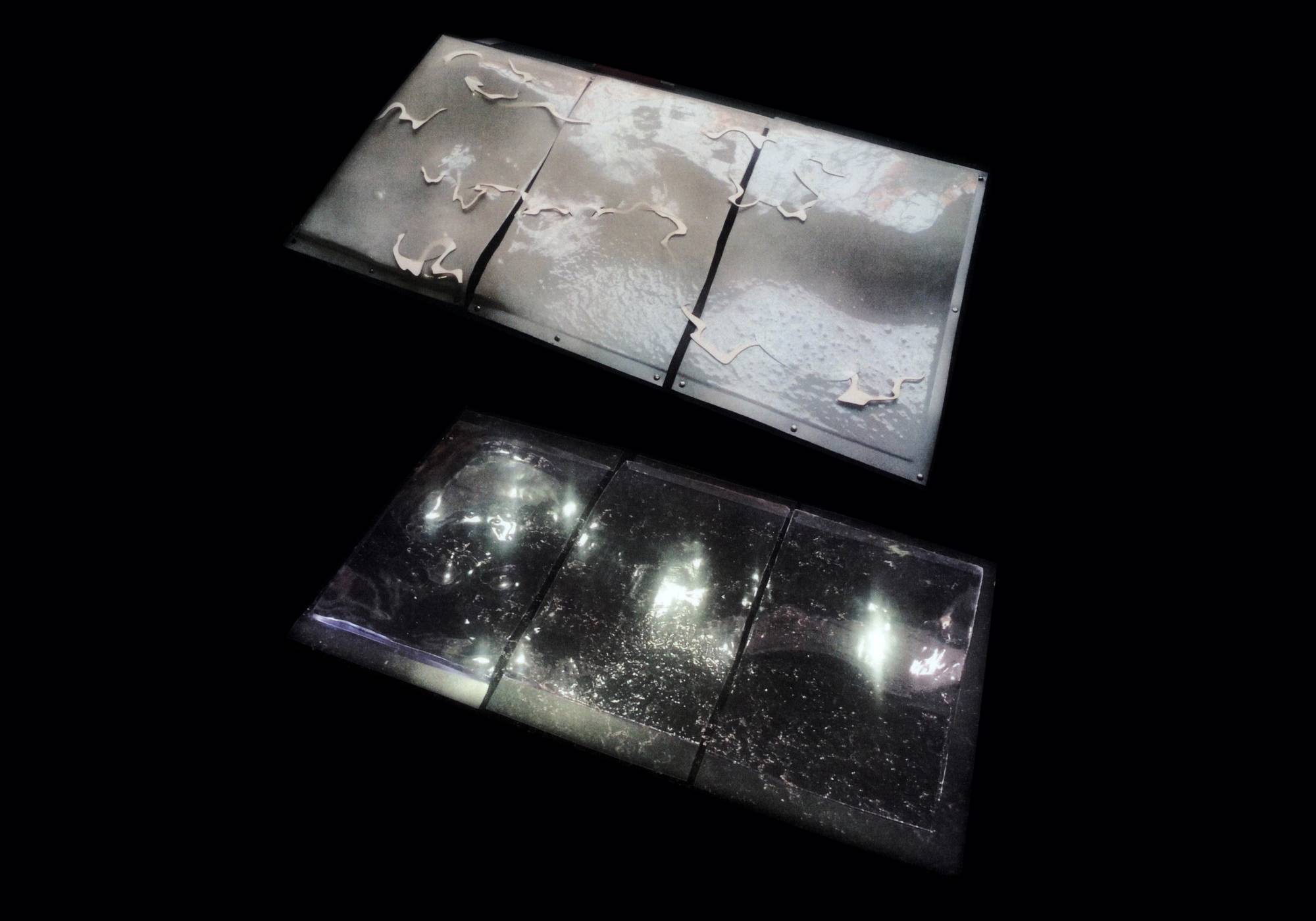
Simple formal design tasks are combined with the design of models using, for example, casting techniques (plaster and relief casting compounds, concrete, plastics and resins, waxes, etc.) or techniques for working with solid materials (wood and wood-based materials, metals, glass, etc.).
Compact and weekend seminars on 10-12 days for analog and digital model making with up to a maximum of 30 participants offer a deeper insight into the design possibilities with models.
Through the joy of experimentation, participants develop a creative sense for what is possible in order to expressively and didactically stage body, surface and line as the three basic elements of spatial design with material, color and structure. They learn how to use digital, as well as spatial means and their composition to give three-dimensional expression to their ideas.
The focus is on the use of the model as a means of communication for the realization of a design task and the possibility of using three-dimensionality to communicate scientific to communicate scientific findings. The seminars can be thematically free or linked to a project or cooperation of Modell+Design.
Design-build and cooperation seminars with TU-internal as well as external cooperation and third party partners combine scientific and practical knowledge.
Seminar example – University Library Architecture and Art
Students develop a three-dimensional guidance system for their departmental library from concept development to execution. For the structure of the library, 3-dimensional models, reliefs, signs and symbols were used to find a representation that points to the individual topics in an exemplary way.
Seminar example – Panta Rei
A cooperation of Raplab, D-ARCH ETH Zurich and the Department of Model+Design, TU Berlin.
40 students from both universities experimented with perishable materials in model making during a seminar week.
The seminar is aimed at TU Berlin students from all planning and design disciplines such as architecture, engineering, urban planning, landscape architecture and planning. Students from other disciplines are also welcome. Students from other universities and universities of applied sciences have the possibility to participate in our seminars and to receive credits from their university.
Please refer to our News for current seminar announcements.
Professionals from all planning and design disciplines such as architecture, engineering, urban planning, landscape architecture and planning, design and art are also welcome to participate in our seminars as guests.
Design for All
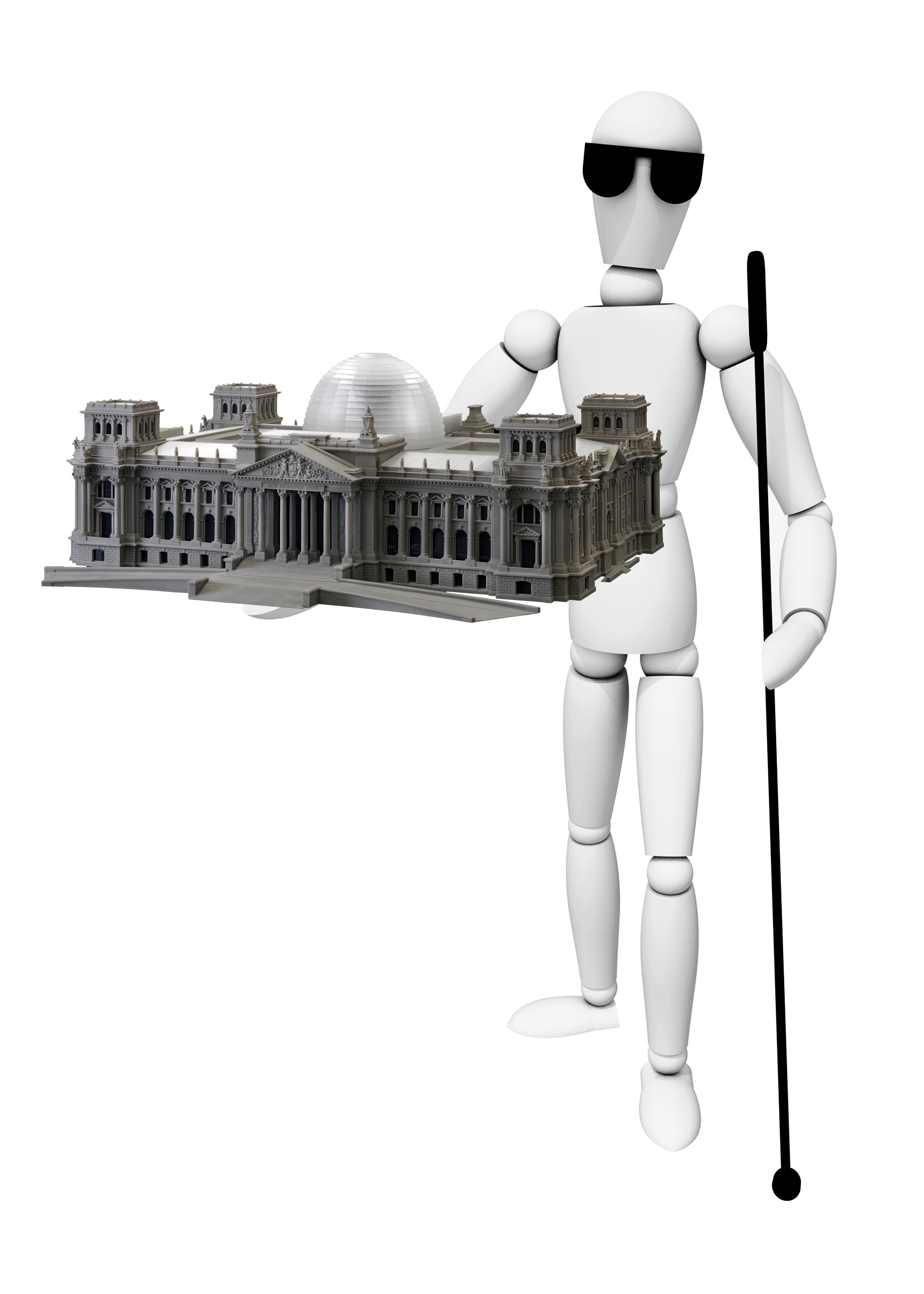
Seminars on the topic of “Design for All” sensitize participants and provide planners and designers with the necessary know-how for designing our environment for all.
The focus of our cooperation with third-party funding and research activities is Design for All. This is congruent with the central vision of TU Berlin’s strategic planning: Solutions for Societal Challenges.
Design for All is a planning and design concept for the future. Intelligent planning from the beginning of all planning processes is sustainable and saves costs. In the future, the demand for graduates with an appropriate qualification will not only increase but will be a prerequisite for planning or design processes.
Project example – The Bundeskunsthalle Bonn understandable for all
In a cooperative project between the Bundeskunsthalle Bonn and Modell+Design of the TU Berlin, an inclusive model of the Art and Exhibition Hall of the Federal Republic of Germany was created.
50 students of the TU Berlin visited the Bundeskunsthalle in Bonn. In preparation for the seminar, there was an introduction by the director Rain Wolfs, guided tours of the building and a joint workshop with internal and external staff and experts from the museum on questions about the requirements and content of the project.
The design process up to the implementation was accompanied by experts and focus groups of people with disabilities.
The result is a tactile and inclusive model of the Bundeskunsthalle that invites visitors to playfully discover the architecture in the form of a construction kit. It has been on permanent display in the foyer of the Bundeskunsthalle since November 2018.
The cooperation project “Monument Protection & Accessibility” was the only German project to receive the Europa Nostra Award 2017 in the category Education, Training & Awareness Rising.
More than 50 students from the Technical University of Berlin, equipped with basic knowledge of barrier-free construction, analyze the goals of monument protection with regard to overcoming
The goal and task here is, on the one hand, the preservation and conservation of cultural heritage and, on the other hand, its adaptation to social requirements in the sense of a contemporary design for all.
Modell+Design pursues a symbiotic interconnection of teaching with objectives resulting from research activities on the one hand and an explicit reference to practice on the other.
The subject matter and techniques of Modell+Design allow research results and their practical implementation to be made tangible, communicable and presentable not only discursively, but also by means of three-dimensional objects: Modell+Design communicates contents and results in a multimedia and spatial way and makes them literally “graspable” for students and scientists as well as for non-academic addressees (public and private project partners, “clients” etc.).
Through design-build projects, as well as interdisciplinary cooperation and tasks, students can develop their technical, design and social skills and gain practical orientation. Design tasks from the fields of architecture, engineering, urban planning, landscape architecture and planning, design and art are worked on, which are listed below as examples.
Through the model, students develop ideas and designs that serve as a basis for professional realization of architectural and urban planning. Modell+Design provides design consulting services for the implementation of the projects.
Project example Museum Pavilion and Knowledge Paths
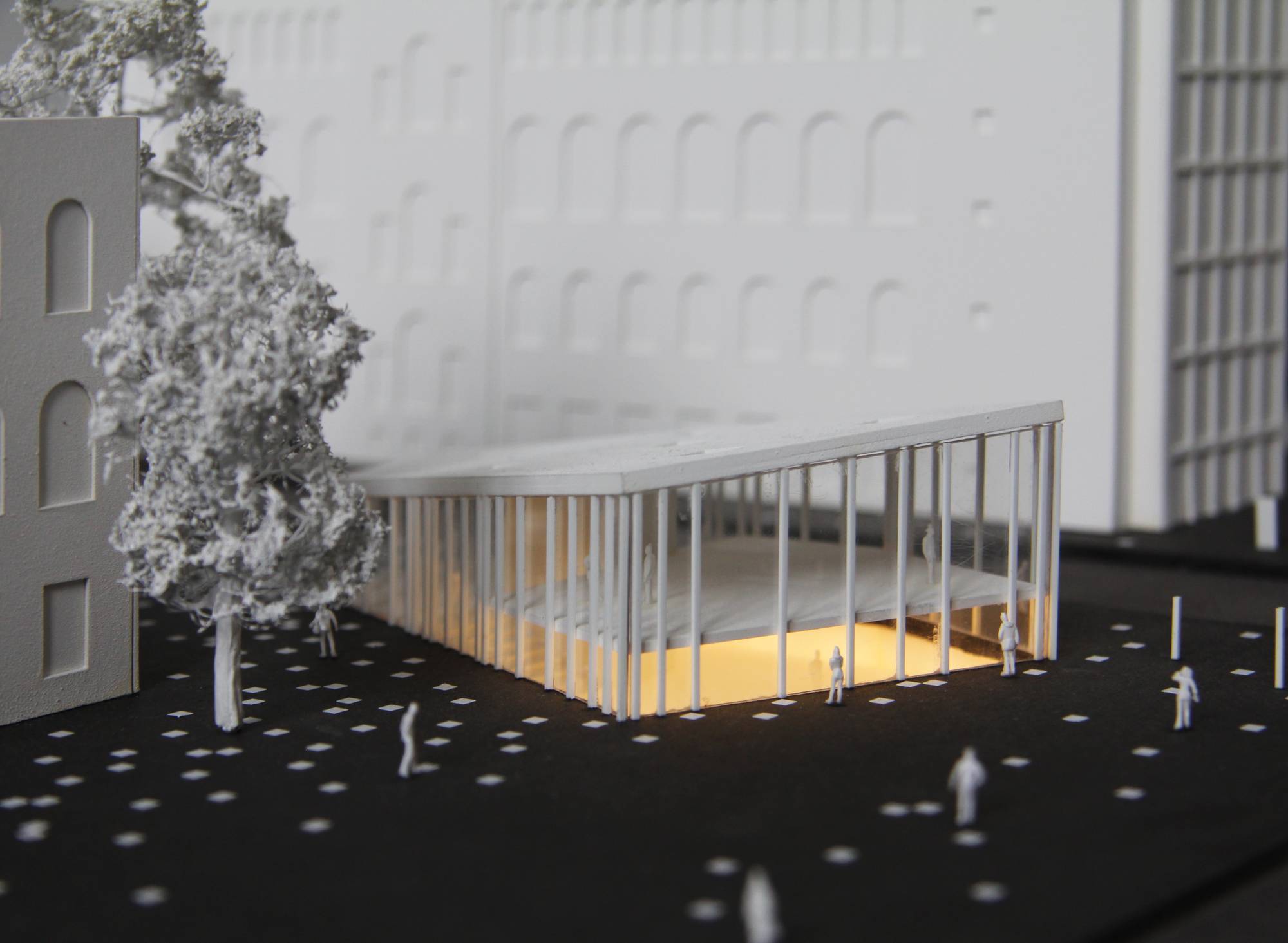
The seminar task is based on the planned contents of the GRW application for an exhibition pavilion and knowledge paths on the main campus of the TU Berlin. In the students of architecture and landscape architecture worked together on various design projects. developed different design scenarios, which were used as a basis for discussion. scenarios, which will be made available as a basis for discussion for further planning. The goal was the development of design ideas, which will be used for the sub-projects Hertzallee, exhibition pavilion and knowledge paths conceptually, thematically and thematically and in terms of design into a coherent overall concept.
The students developed their concepts in the form of models. This resulted in depending on the concept, models of the entire processing area or detailed models. The three-dimensional results of this seminar make a contribution to the concept development.
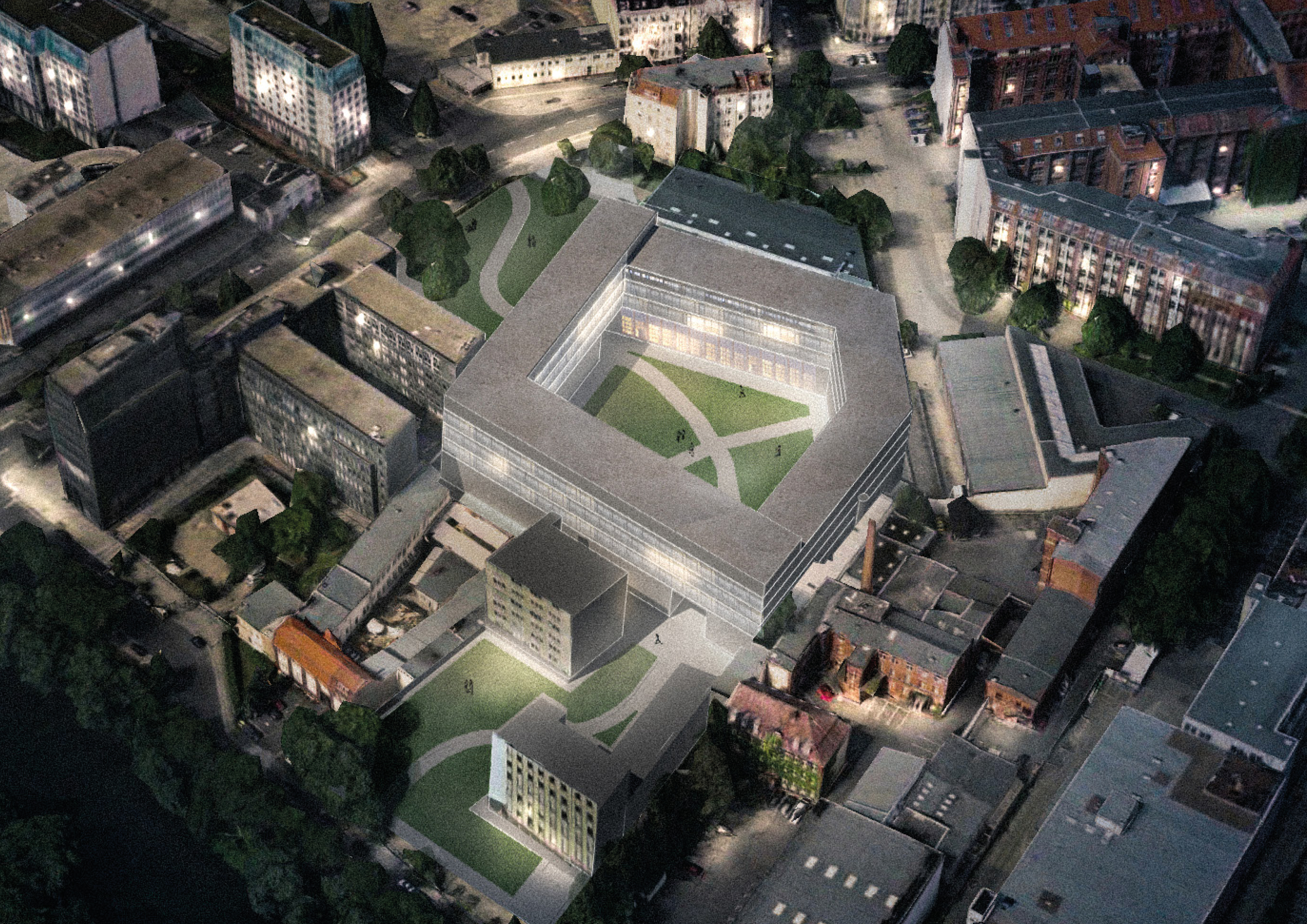
Project example Severin area
Development of urban planning scenarios for the Severin site Cooperation with Department VI of the TU Berlin
In the past, Modell+Design has participated in numerous projects in cooperation with institutions of art and culture. In the museum context models and objects were created which visualize scientific knowledge, reconstruct lost knowledge and present themselves didactically meaningful in exhibitions.
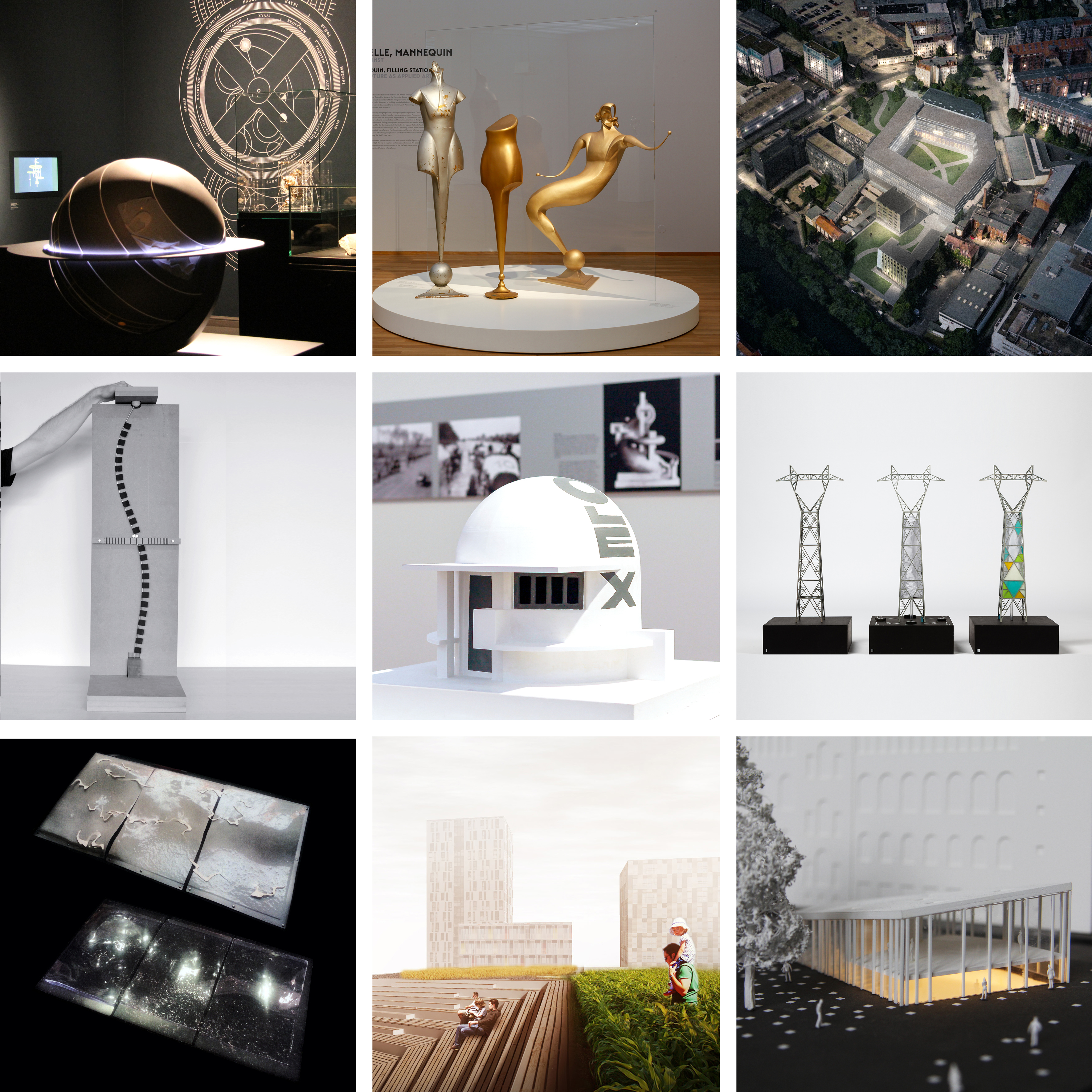
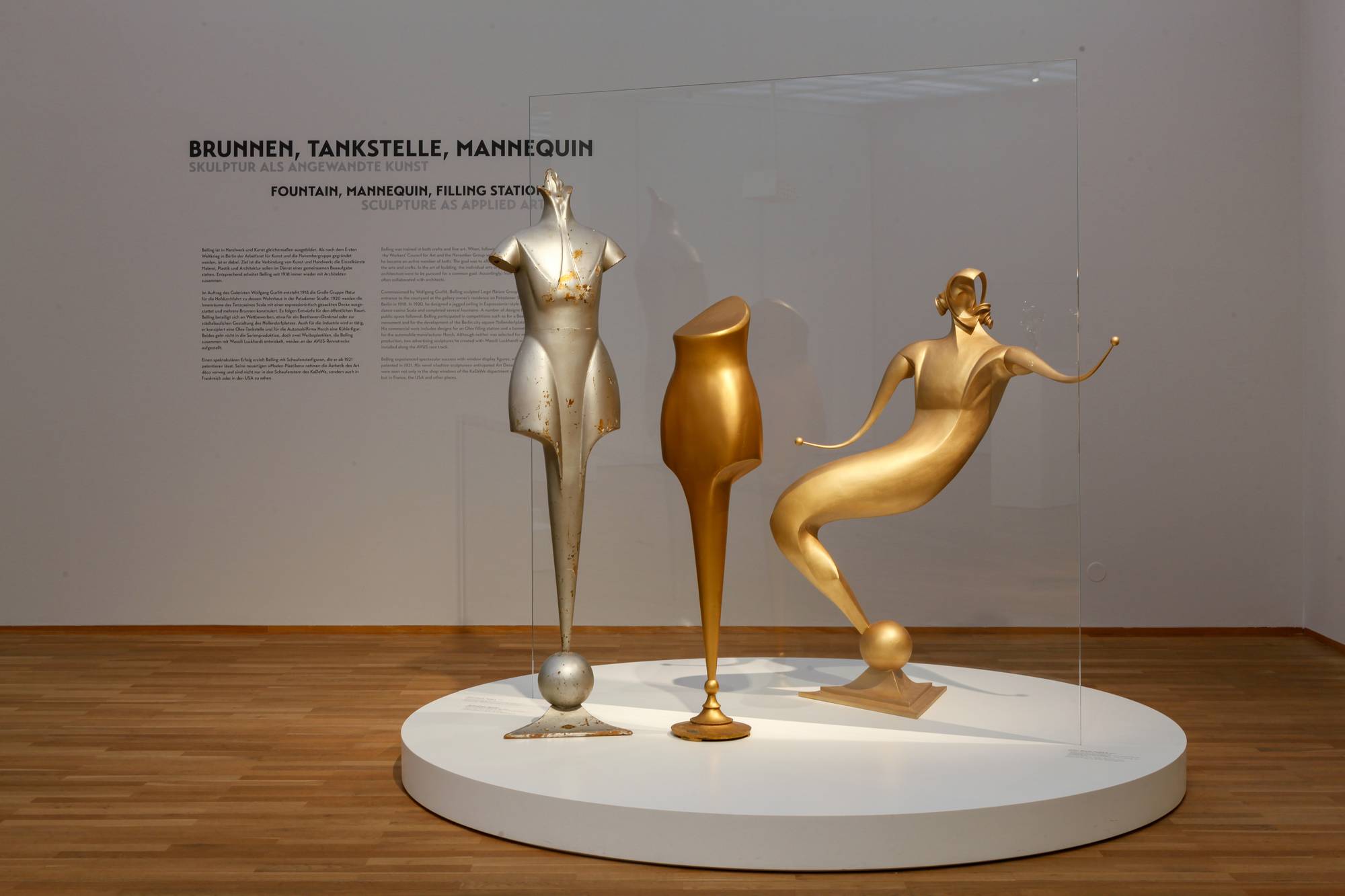
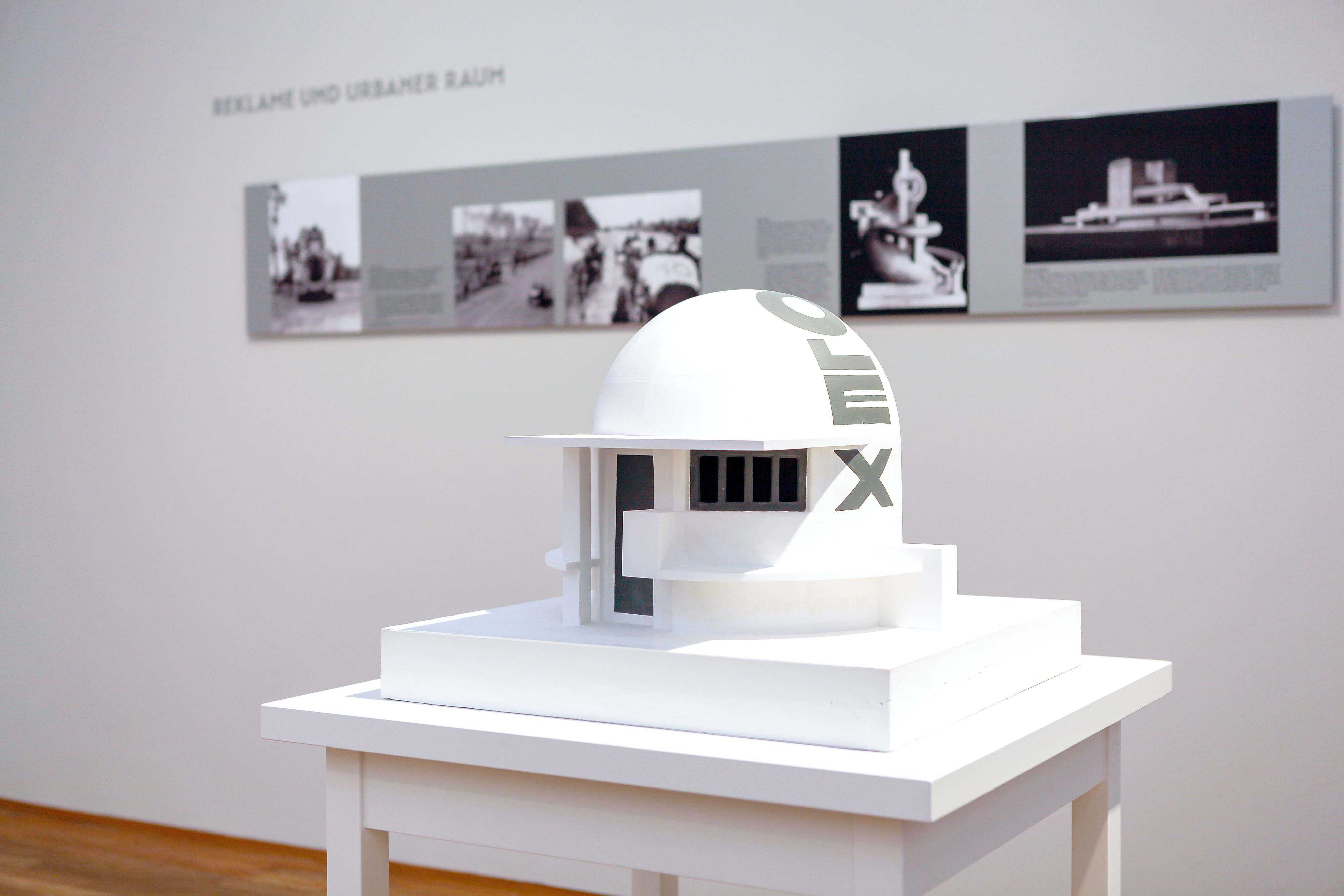
Project example – Scientific models for the exhibition – “Rudolf Belling – Sculptures & Architectures”.
In cooperation with the Freunde der Nationalgalerie e.V. and the Hamburger Bahnhof – Museum für Gegenwart, Berlin – in collaboration with students with students, scientific reconstructions of objects and models by the artist of the artist Rudolf Belling.
The lost objects were reconstructed using various analog and digital technologies based on textual descriptions, plans and photographs. Curators, experts, Belling’s daughter and last but not least the visitors of the exhibition were enthusiastic about the results, which create new knowledge about the artist’s works.
Rudolf Belling. Sculptures and Architectures, 08.04.2017 to 17.09.2017, Hamburger Bahnhof – Museum für Gegenwart – Berlin.
Project example – Beyond the Horizon / Scientific Models Topoi.
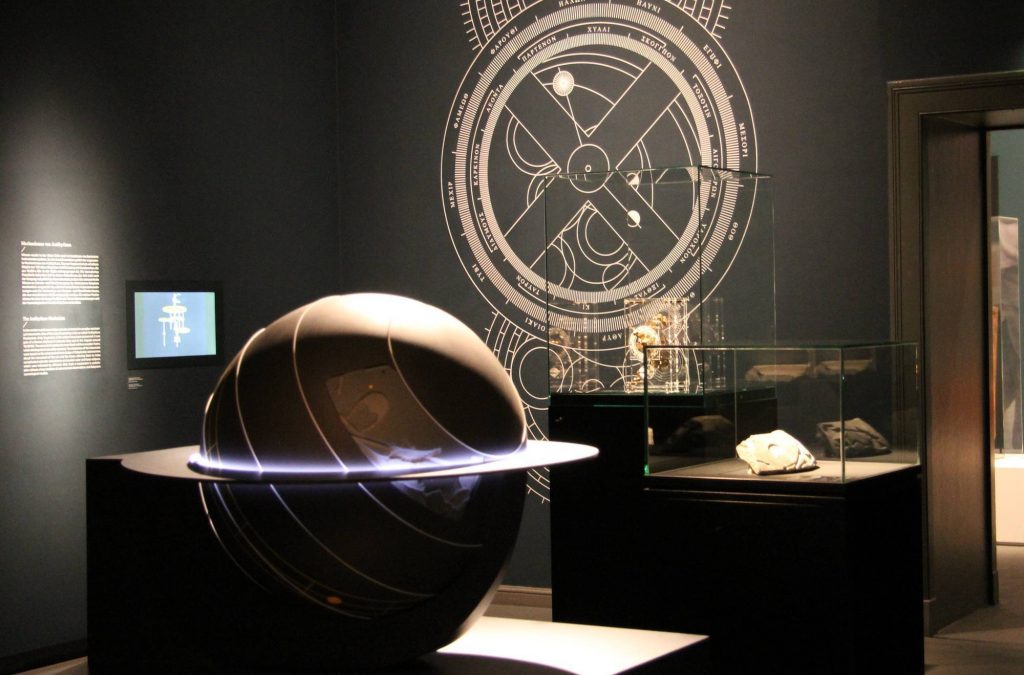
In cooperation with the Staatliche Museen zu Berlin and the Cluster of Excellence TOPOI, 3 scientific models were created for the exhibition “Beyond the Horizon – Space and Knowledge in the Cultures of the Ancient World” at the Pergamonmuseum 2012
Celestial globe – model illustrating the functioning of a celestial globe. Incorporation of the cast of a Roman fragment.
Nilometer – Model of the Nilometer of Elefantine with six important water levels. Changing LED lighting illustrates the rise and fall of the Nile.
Enlargement of a Babylonian rolling seal by 3D scanning technology and 3D printing process. Model to rotate and touch.
Through the model, Modell+Design develops designs together with students in cooperation with economic companies from various fields. In the past we had the opportunity to work with the following companies among others.
Volkswagen • Lufthansa • Wohnkompanie • Detamed • Hugo Boss • 3yourmind • Weimar GmbH • Lehmanns
Project example – Reemtsma – Concept development for the former cigarette factory
Cooperation with Wohnkompanie
In the seminar of the subject Model+Design 17 ideas for utilization concepts for the former cigarette factory were developed. The Wohnkompanie’s plan to breathe new “life” into the old Reemtsma site was a welcome change from everyday university life and an ideal task in which the students were able to “responsibly” experience the seemingly architectural reality.
The focus was on the examination of the existing building and the search for form and function. “Unique” ideas, functional concepts, but also visions, unrealistic fictions and “castles in the air” were in demand. The aim of the seminar was to provide impulses for planning on the former Reemtsma site. What was special for the students was the search for design possibilities in the factory itself. In this unusual setting, the students developed their first three-dimensional ideas on the basis of sketches and working models. The hospitality on the part of the WOHNKOMPANIE with e.g. daily catering made this seminar on the first 3 days additionally something special for students and teachers.
As a universal means of communication, the model is interdisciplinary and by definition an inclusive means of research and science communication. It builds bridges between internal and external cooperation partners, between disciplines and faculties, and represents a forward-looking form of representation in a complex, globalized world.
Ecology – Windnode
Technical results and developments are difficult to communicate to the public in a disciplinary way, especially when it comes to complex, energy-political and technical developments such as those resulting from the energy turnaround.
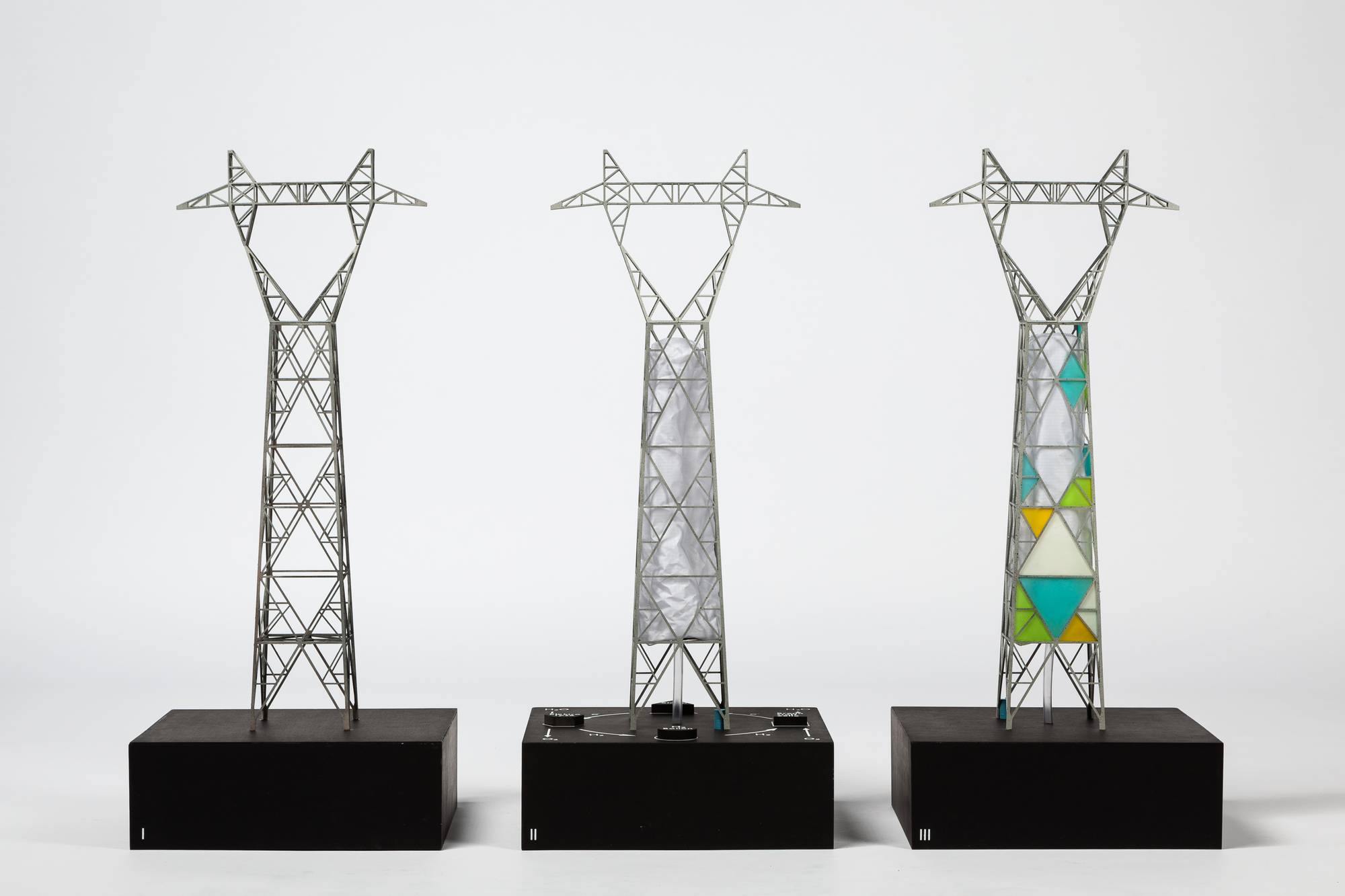
In cooperation with the Institute of Ecology (Prof. G. Wessolek & Dr. B. Kluge) within the interdisciplinary research project WindNODE, students formulate thoughts, ideas and images about the energy transition in the form of models and visualizations. The results give the research content a three-dimensional face and can be made visible in presentations, publications and exhibitions through the communication medium of models.
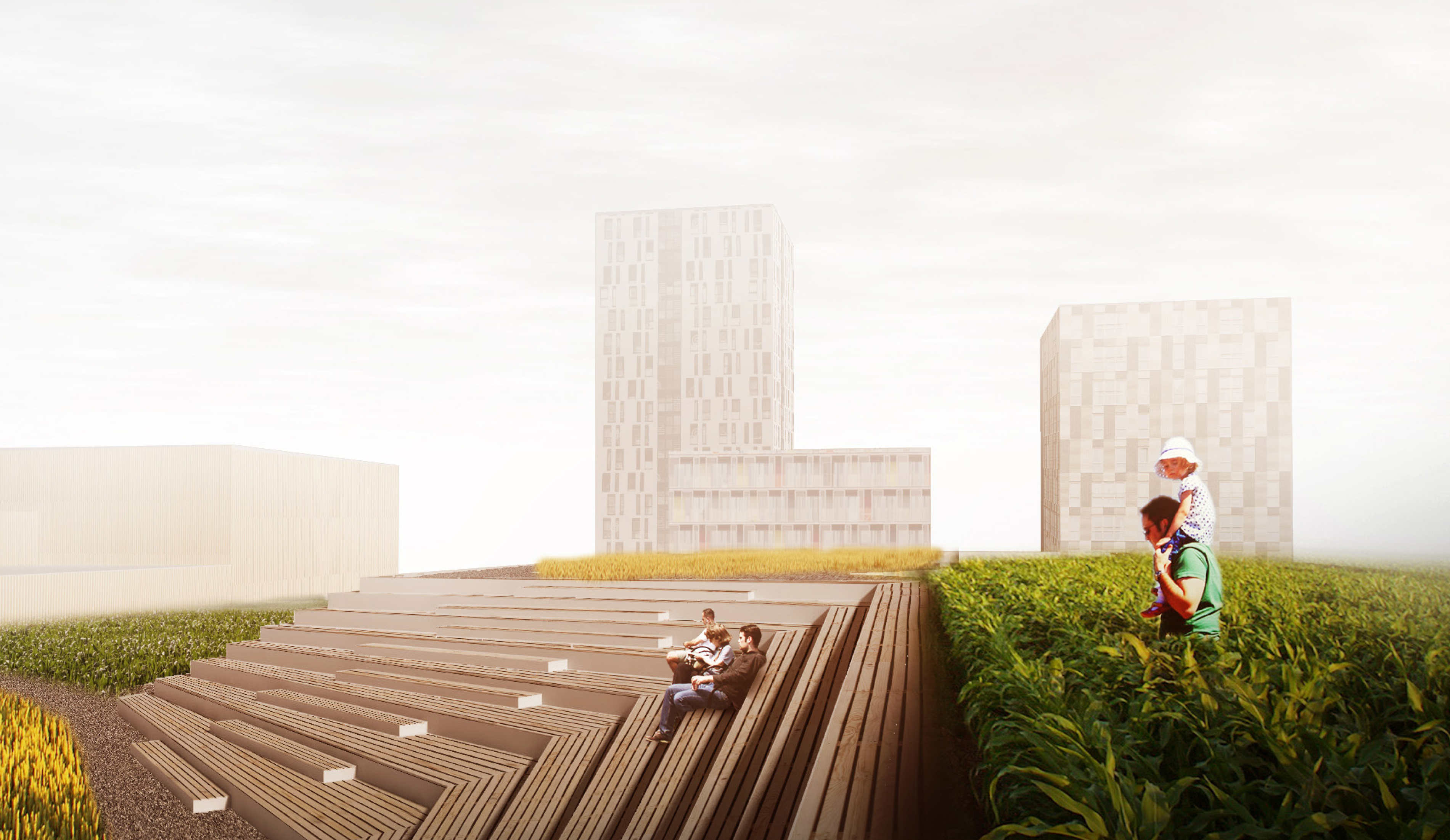
Landscape architecture – off to new shores
Model examples from the seminars “Auf zu neuen Ufern” (On to new shores) TU internal cooperation with Prof. Cordula Loidl-Reisch, ILaUP
Civil engineering – illustrative models of structural engineering
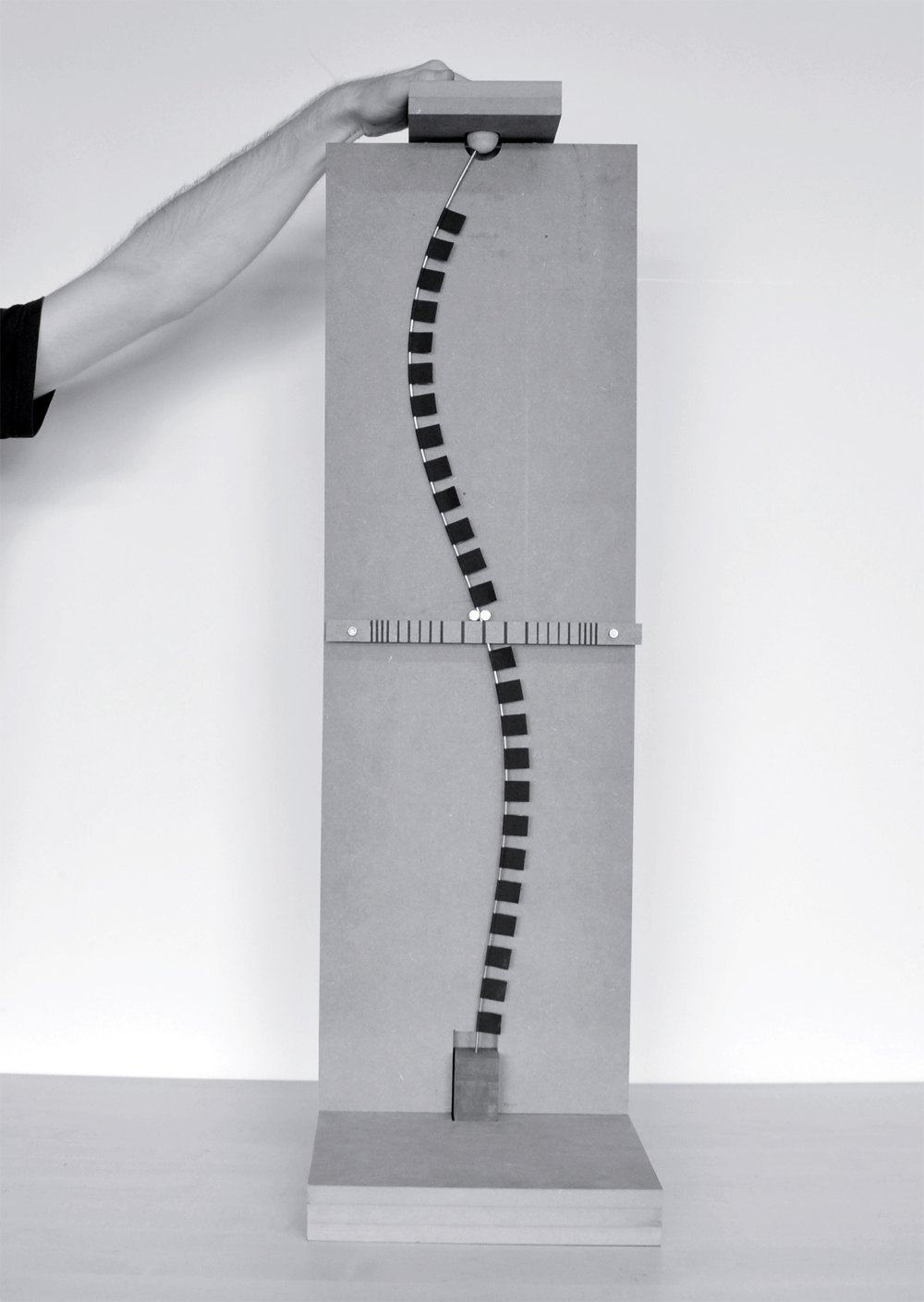
Idea-, functional and material models illustrate the connection between creativity and technical technical and scientific knowledge in three-dimensional form. They support the design and cognition process, promote material understanding of materials, illustrate the logic of a design and lead to constructive and lead to constructive knowledge.
How do architecture students envision the energy transition? How can it be achieved and by what means, and how can ideas, visions and practical solutions be represented in the model? Three-dimensional images of very different approaches were created, ranging from the visionary SPATZ 2050 – the flying power plant – to wind turbines integrated into guard rails, to the use of rain, gray and black water for energy generation.