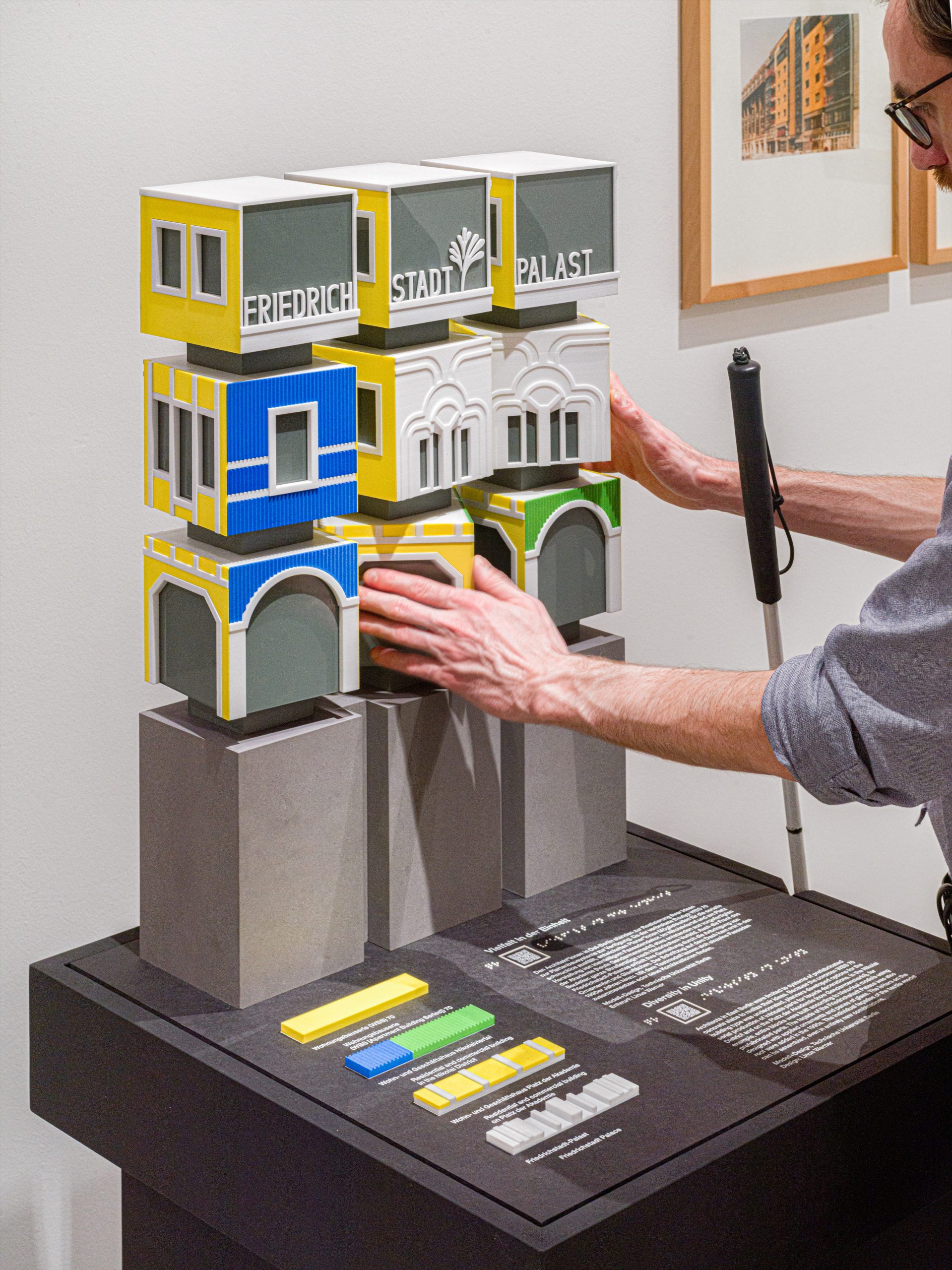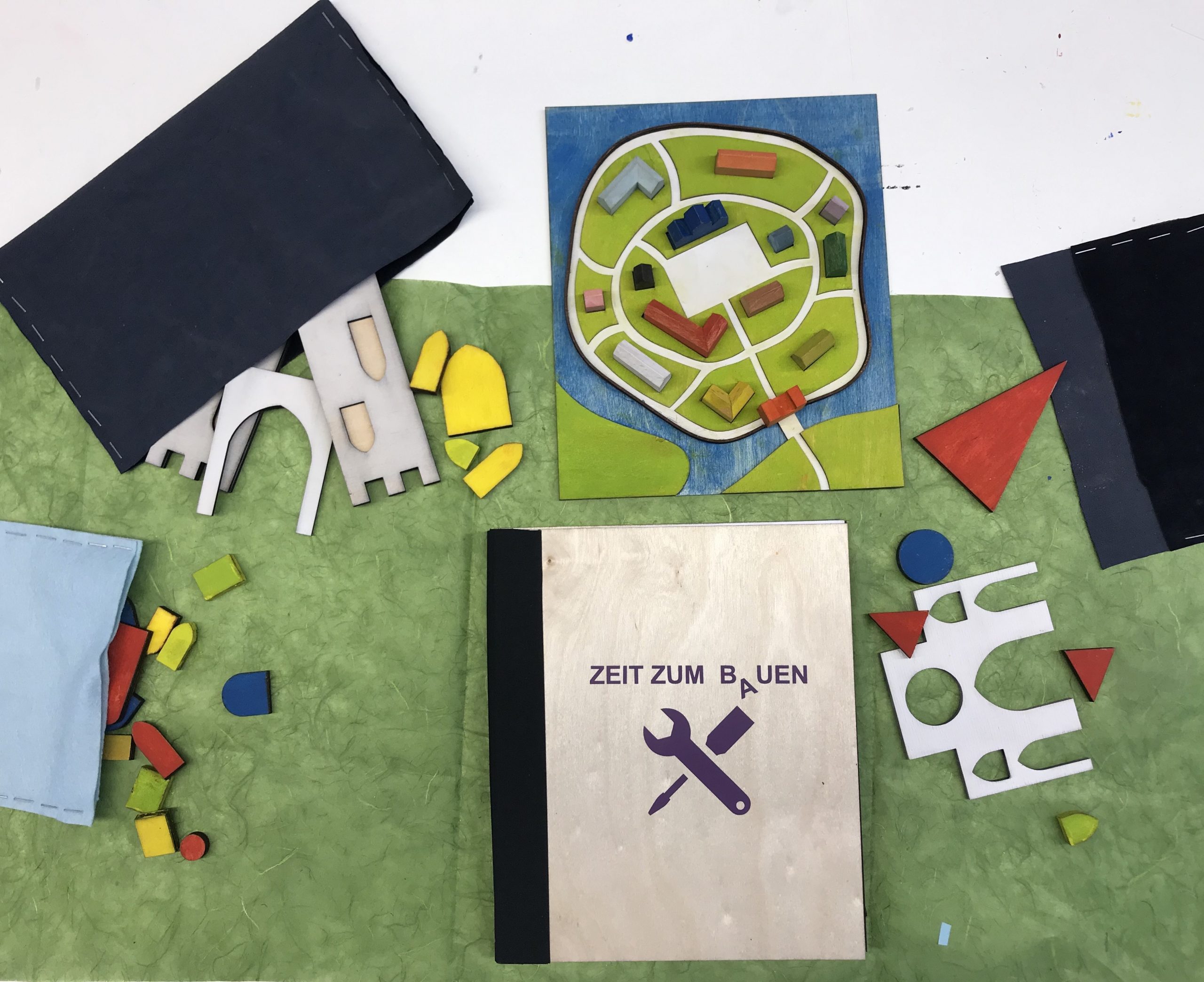
Models create knowledge and communicate ideas three-dimensionally.

Modell+Design Berlin

Seminare aktuell

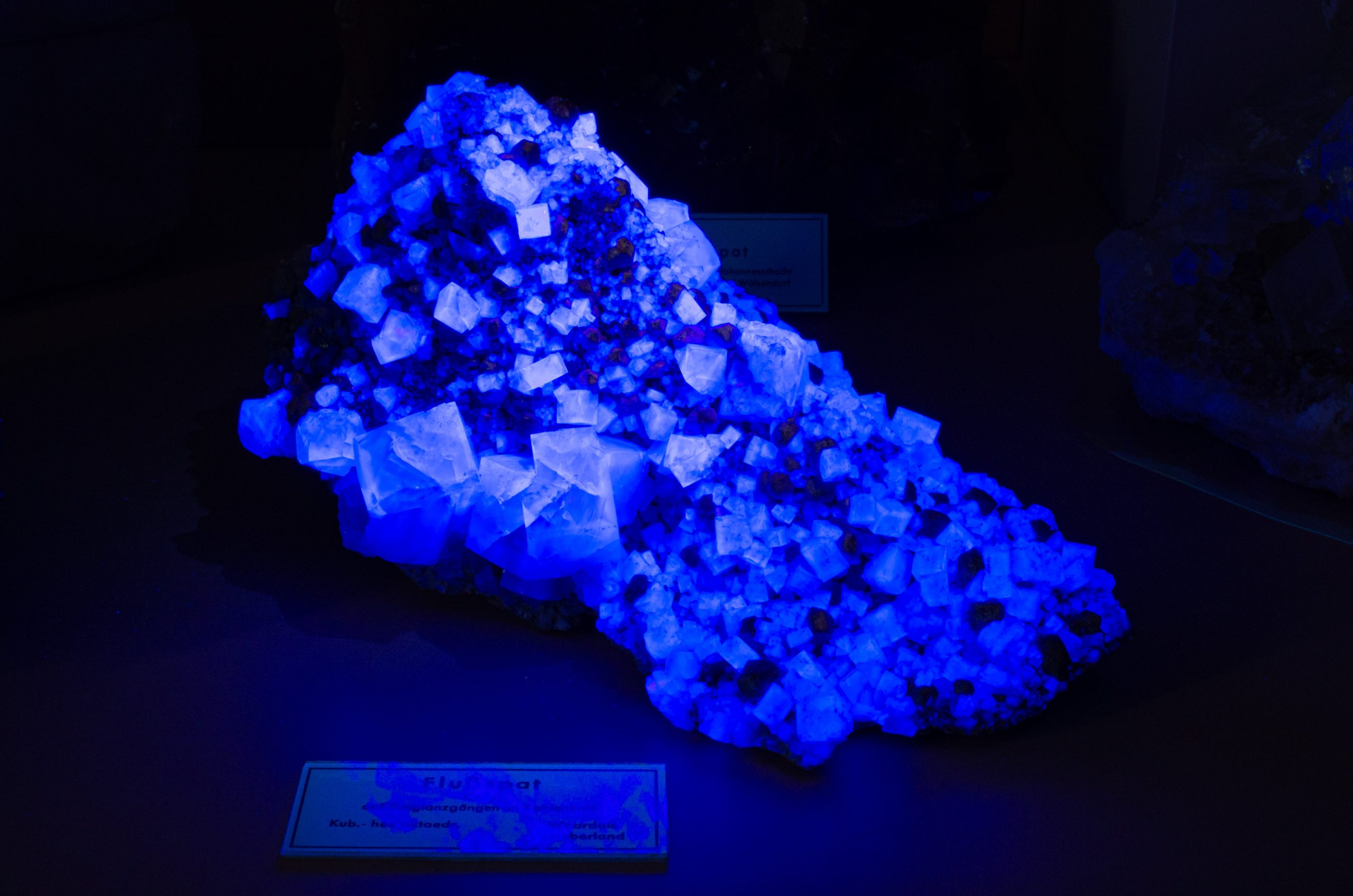
Creative workshop on the subject of minerals

Pulling Blood from a Stone

Schedule:
17.04. / 18.04. / 19.04. & 24.04. / 25.04.2023 (5 days in presence) / 5 days follow-up work freely selectable
Lecturer:
Niamh Schmidtke (Artist in Residence at TU Berlin) & Dr. Johannes Giebel (Curator of the Mineralogical Collections of TU Berlin)
Registration:
Credits:
Elective, 6 ECTS
Participants:
15
Location:
UNI_VERUM (main building of the TU) and Mineralogical Collections of the TUB (Mining and Metallurgy).

The Topic

Pulling Blood from a Stone; creative relations with minerology

How does cobalt get processed into a battery? How are diamonds and graphite similar? Is there such a thing as ethical mining? And can you pull blood from a stone?

This workshop explores the relationship between humans and minerals. We will collaborate with the Mineralogical Collection and learn from the minerals themselves, with Dr. Johannes Giebel, the ‘keeper of the minerals’, about how they form and transform in colour, texture and elemental composition. We will use minerals and discuss their use in contemporary technology and everyday life. The collective reflection on your perception and experience will culminate in a creative response. This can be reflective of your current studies and could result in; a model, a drawing, a song, a poem, etc.

The results of this will be exhibited at the Uni_Versum in October as part of the Science Gallery Berlin.

Niamh Schmidtke is an Irish/ Swedish artist, and currently the artist in residence at TU. Their research project ‘Puling Blood from a Stone’ explores how minerals might speak, and if they could, what might they want to say? With scientific collaborator Dr. Johannes Giebel, they are exploring the TU Mineralogical Collection as part of the EARTH WATER SKY Residency, curated by Ariane Koek, for the Science Gallery Network. Their practice explores the politics of ‘being green’ through multiple mediums including; writing, audio, sculpture and ceramics.

Links about the project


Artist website: www.niamhschmidtke.com
TU Announcement: https://www.tu.berlin/en/about/profile/press-releases-news/artist-in-residence
Website for the Mineralogical Collection: http://www.mineralogische-sammlungen.de/index.htm
RBB24 Article
: https://www.rbb24.de/kultur/beitrag/2023/01/science-gallery-steine-geologie-tu-berlin-mineralogie-schmidtke.html
WS ’22/’23

Idea Workshop Märkisches Museum + Marinehaus II

Schedule:
03/13 – 03/24/2023, compact workshop Mon – Fri, daily 10 a.m. – 6 p.m.
Lecturers:
Annette Müller, Robert Niemann, Burkhard Lüdtke
Anmeldung:
By mail until 31.01.2023 to: info@modellunddesign.de
Courses of study:
Preferably architecture, communication design, scenography and computer science – students from other courses and universities are welcome!
Credits:
Elective, 6-9 ECTS
TeilnehmerInnen:
maximum 30
Location:
TU Berlin (at the course of studies Stage Design_Scenic Space), Ackerstrasse 76, 13355 Berlin

The topic

In an interdisciplinary workshop with 20-30 students from different disciplines, museum staff and lecturers, ideas and impulses for scenographic concepts, a guidance and orientation system, as well as meeting spaces in the Märkisches Museum and the Marinehaus will be developed. Thematically, we will deal with information and orientation systems, the design of a flexible, open, participatory and inclusive exhibition as well as a welcoming culture in both houses through spaces of encounter, recreation and stimulation.

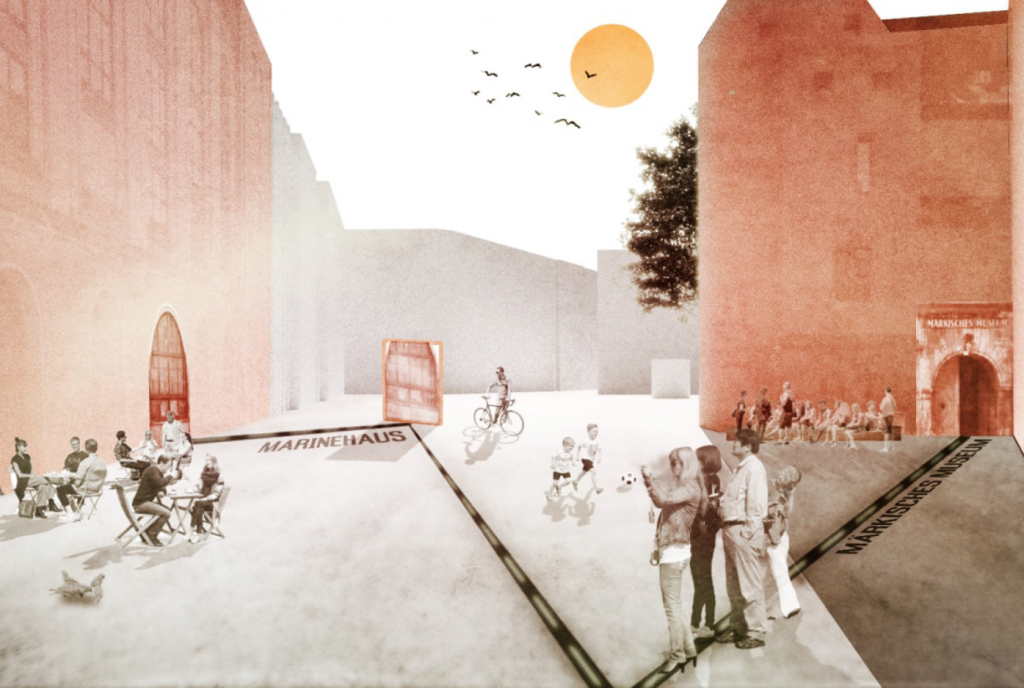
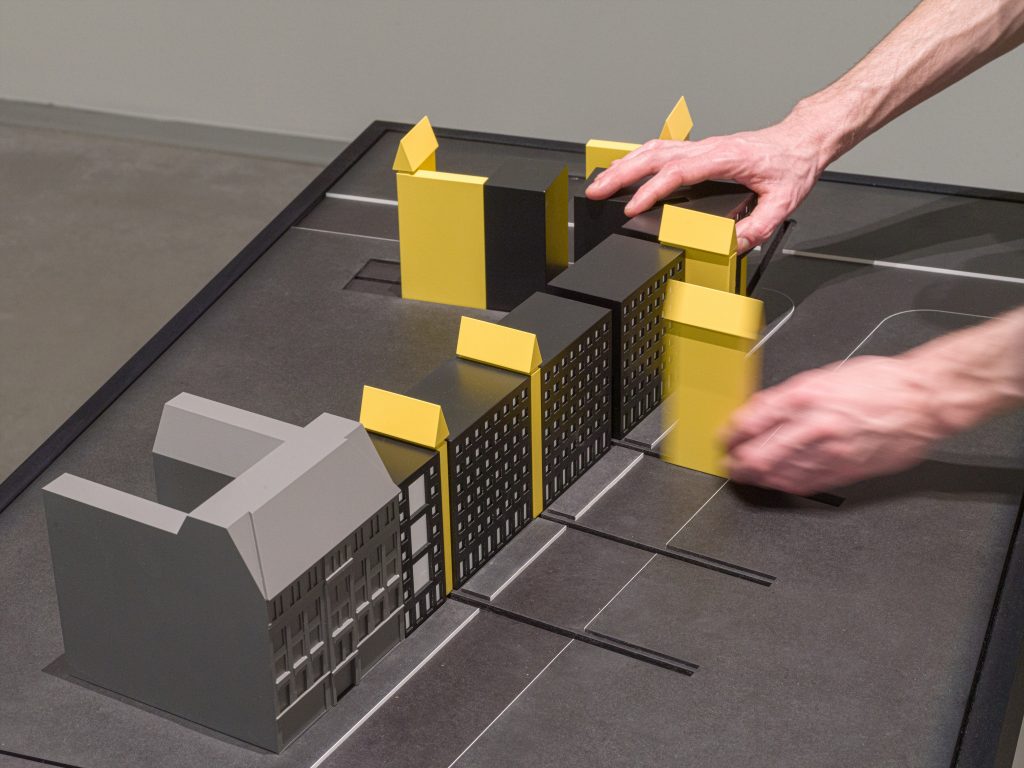
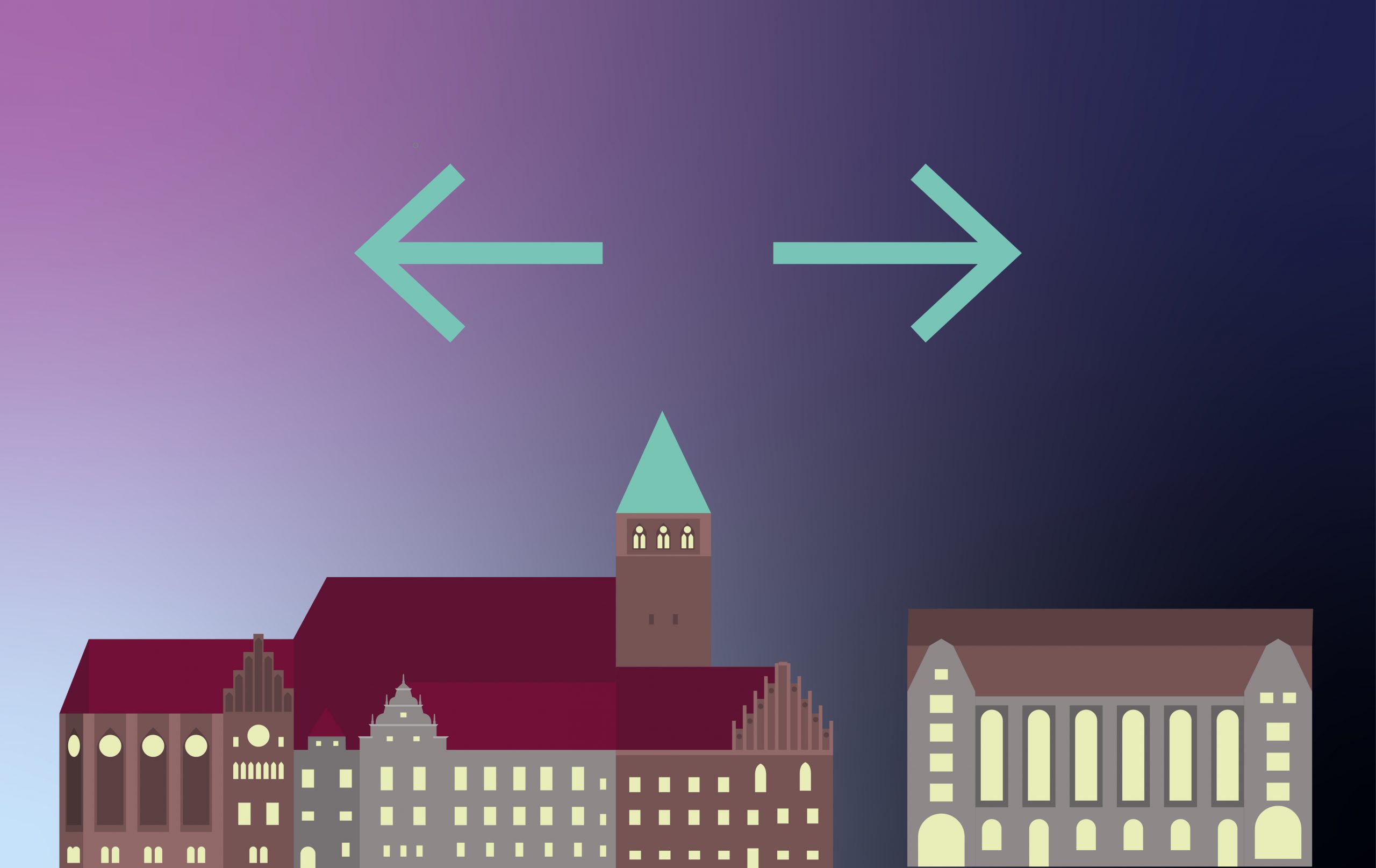
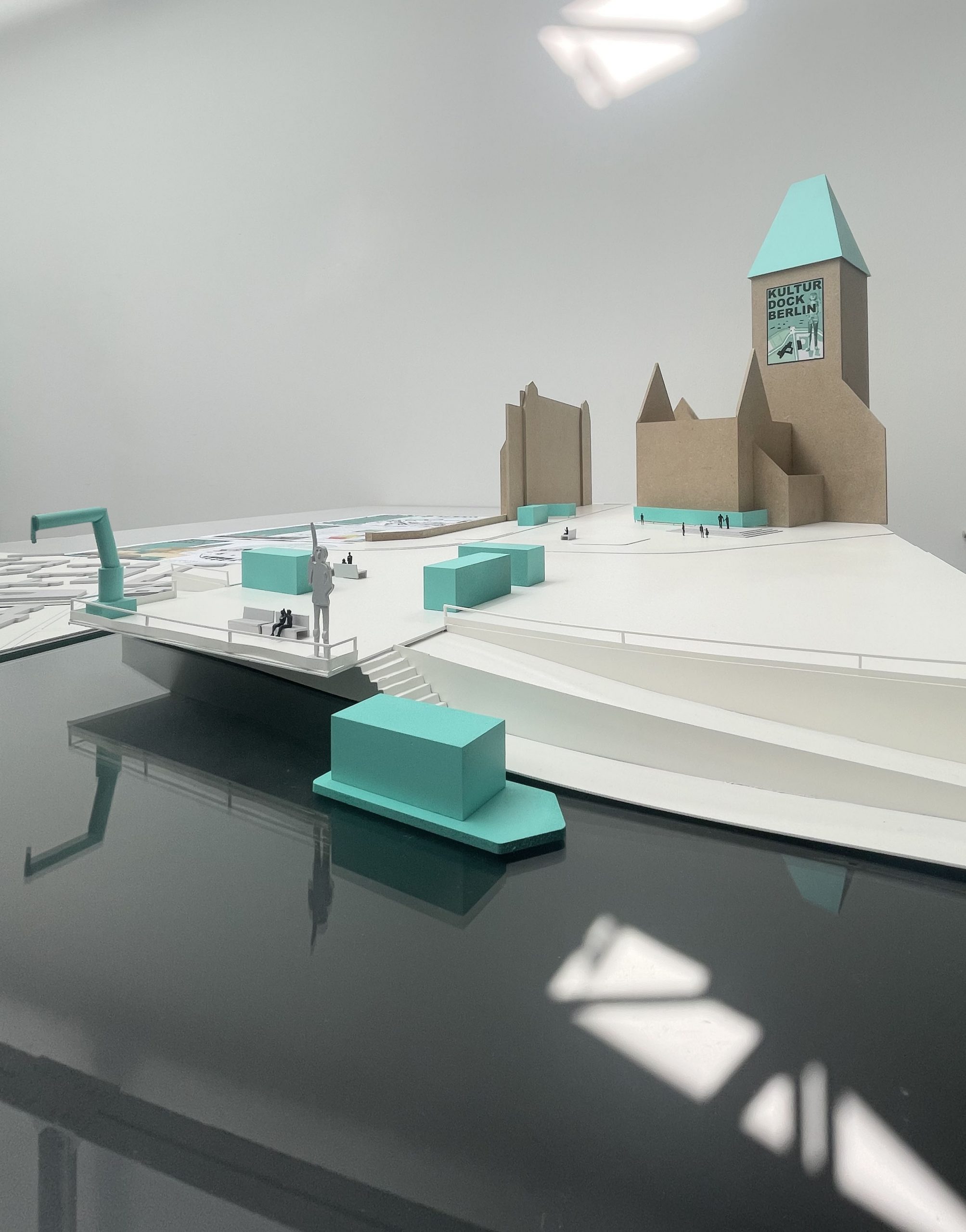
The two very different houses, both architecturally and in terms of content, are looking for a common language and scenography in their respective first floors. The institutions, which face each other in terms of urban space and are separated by a street, are to grow together. The former Marinehaus is to become a Berlin creative laboratory with stages, studios, workrooms, etc., and works, performances, sculptures, stagings and questions created there will find their way across the street into the Märkisches Museum, which is visible from afar. In the museum on site and in our studios and workshops, we will jointly search for, find and present three-dimensional approaches to solutions in the form of models of ideas and work. The results will be further condensed in terms of content, concept and design by a smaller group of students in a project workshop.

News

Idea Workshop Märkisches Museum + Marinehaus

Exhibition in Märkisches Museum

Berlin’s Stadtmuseum, as part of a series of museums belonging to the Stiftung Stadtmuseum Berlin, is in a slumber in the historic center and is about to be renovated. In conjunction with the newly designed Marinehaus, which is currently being expanded and is located across the street, a new creative spot for those interested in and creating culture in Berlin is to be created. The museum has one of the largest collections in Berlin and, with its idyllic location by Köllnischer Park and the Spree River, has great potential for development.

Students from various disciplines are developing architectural, urban planning and scenographic ideas for the future “Museum and Creative Quarter at Köllnischer Park.” The first workshop focused on developing visions for the outdoor space and concepts for information and orientation. Part of the task was also to find ideas for interim uses for the period of closure during the renovation of the Märkisches Museum.

The result was 9 projects in the form of models and representations with a high diversity of solutions, some of which can currently be seen in the exhibition [Werk]Räume at the Märkisches Museum.

Time Period
01.05.2022– 30.12.2022
Opening Hours
Tue – Sun + holidays | 10 a.m. – 6 p.m.
Visualization for the project Spiegelbild, Florian Reimann and Lennard Mathiske

Project participants

Lecturer
Annette Müller, Robert Niemann & Burkhard Lüdtke
Collaborators
Lara Herkommer, Amir Baltic
City Museum Berlin
Dr. Peter Lummel, Ulrike Kloss & Marie Newid

Idea Workshop Wissenspfade

Wissenspfade – Transdisciplinary Idea Workshop

The Topic

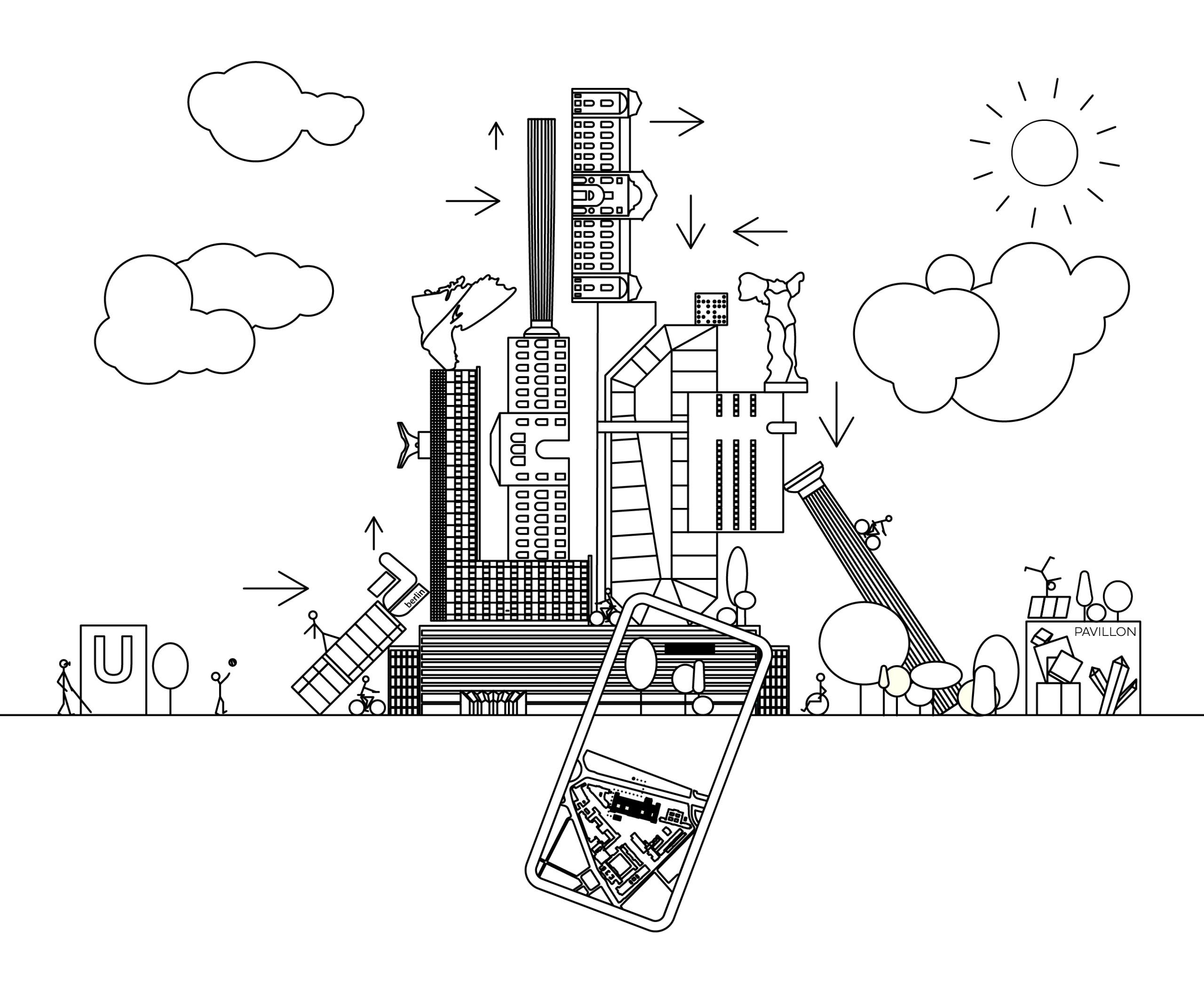
For the GRW project “Pavilion & Knowledge Paths”, concepts and narratives for knowledge paths were developed in an ideas workshop. The results are 9 projects in the form of models, sketches and stories. These can be seen in the current exhibition in the UNI_VERSUM of the main building.

Knowledge buoys

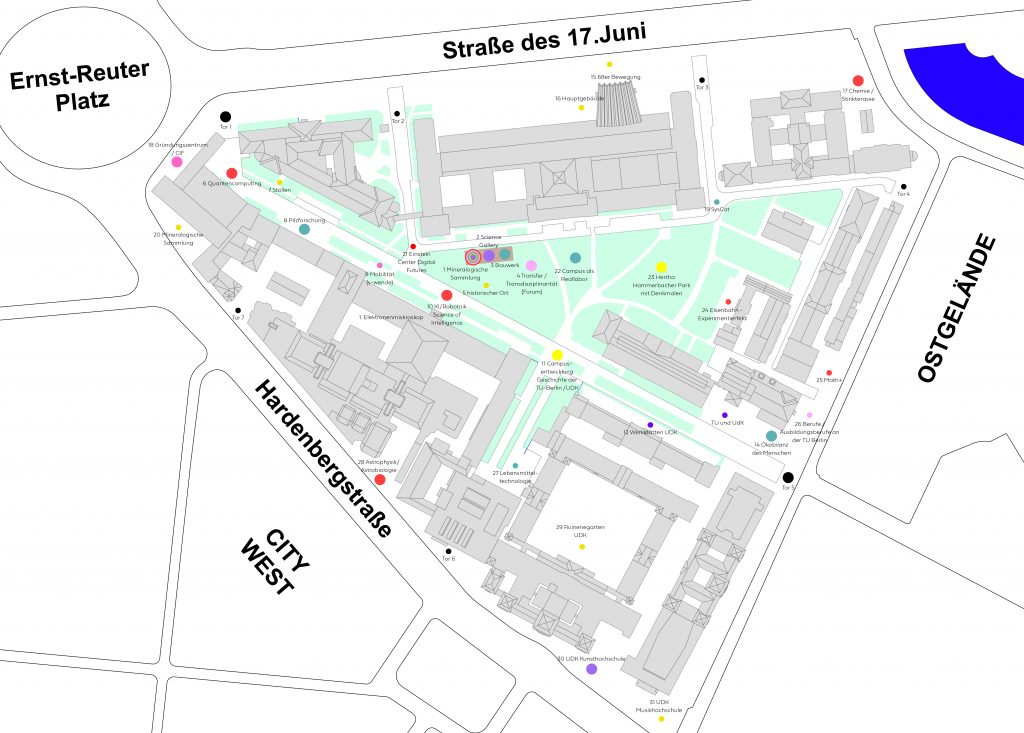
Approximately 30 knowledge stations / points in the buoy principle are to be distributed across the campus with a visual relationship. In addition to more informative message buoys, there are experience buoys with interactive and participatory character.

Changing buoys along the Hertzallee will feature changing topics from the clusters of excellence and higher-level TU topics. 7 gates into the campus are linked to themes, but mainly serve as orientation and draw attention.

The knowledge buoys offer a low-threshold entry into TU topics about major social issues and questions.

Map of the South Campus with knowledge buoys and topics

Knowledge buoy “68ers”

“How can we make all voices heard?”

The Technical University was a center for the student movement of 1968. Rudi Dutschke performed in the Audimax in 1968 on the occasion of the Vietnam Conference.

What were the messages of the 68 movement and to what extent are they still relevant today? What issues in particular move students today? What forms of communication and platforms existed then and what do they look like today? What forms of student co-determination exist at the TU and why?

Project “ECHO”

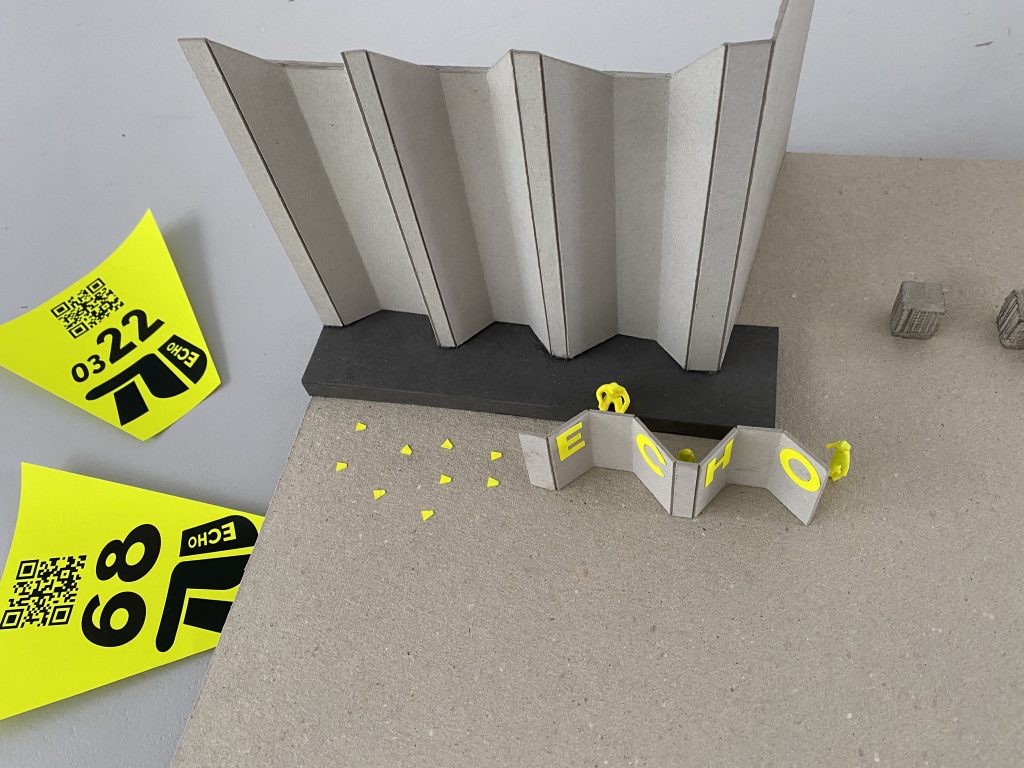
A sound installation makes the voices of the 68er movement audible and puts them in relation to the present. Students can digitalize their concerns, their voices, make them audible and distribute them via a QR code. On the one hand, the real place TU is important for the voice recording, on the other hand, the dissemination of the opinion via digital ways is shown.

instagram.com/echotuberlin

Project “Echo”, model by Ilgın Özkazanç, Kristel Khan, & Camille T. Daur